

Trout Denmark
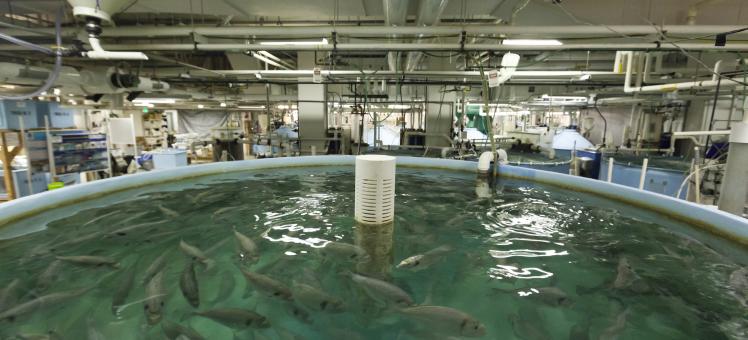
Trout farming is a major component of Denmark's aquaculture sector, with rainbow trout (Oncorhynchus mykiss) being the primary species farmed, accounting for over 70% of total production In 2022, the country produced 48,757 tonnes of trout valued at €175.7 million, with annual production growing at an average rate of 4% over the past five years The industry is divided into two main segments: land-based farms and sea cage farming. Land-based production, which dates back to the mid-19th century, utilizes ponds, raceways, and recirculation systems (RAS), with RAS systems contributing 41% of total trout production in 2022 Sea cage farming, introduced in the 1970s, represents 20% of trout production and is primarily located in the Baltic Sea, Limfjord, Skagerrak, and Kattegat
The Danish trout sector is highly advanced, with a strong focus on sustainability and innovation. The country has some of the strictest environmental regulations in the world, which have driven the transition from traditional pond systems to more intensive, environmentally efficient RAS and model farms These modern systems enhance productivity and reduce environmental impact, with some farms achieving over 95% fish survival rates and minimizing waste through advanced water recycling and nutrient recovery The use of antibiotics is minimized, and fish are vaccinated to maintain health
Denmark is also a global leader in aquaculture technology and equipment, with exports of fish feed and water purification systems estimated at DKK 5–6 billion annually A new milestone in sustainable aquaculture is the development of the Onnest trout farm in Hirtshals, which is set to become the world’s first fully circular fish farm, producing local feed from algae and fish-processing waste, utilizing excess industrial heat, and aiming for zero waste and maximum fish welfare Construction is expected to begin in late 2026 or early 2027, with production starting in 2028
Trout farming in Denmark is also characterized by high-quality standards, with many farms certified by the Aquaculture Stewardship Council (ASC) and organic certification The fish are primarily exported, with Germany being a major market, and are used in a wide range of value-added products such as fillets, smoked trout, and caviar The sector employs around 609 people, with a significant portion working in northern Jutland near major processing sites
The information on this website is for general informational purposes only. Fishfarmsolutions.com makes no representation or warranty, express or implied. Your use of the site is solely at your own risk. This site contains links to third party content, which we do not warrant, endorse, or assume liability for.