
Salmon Switzerland
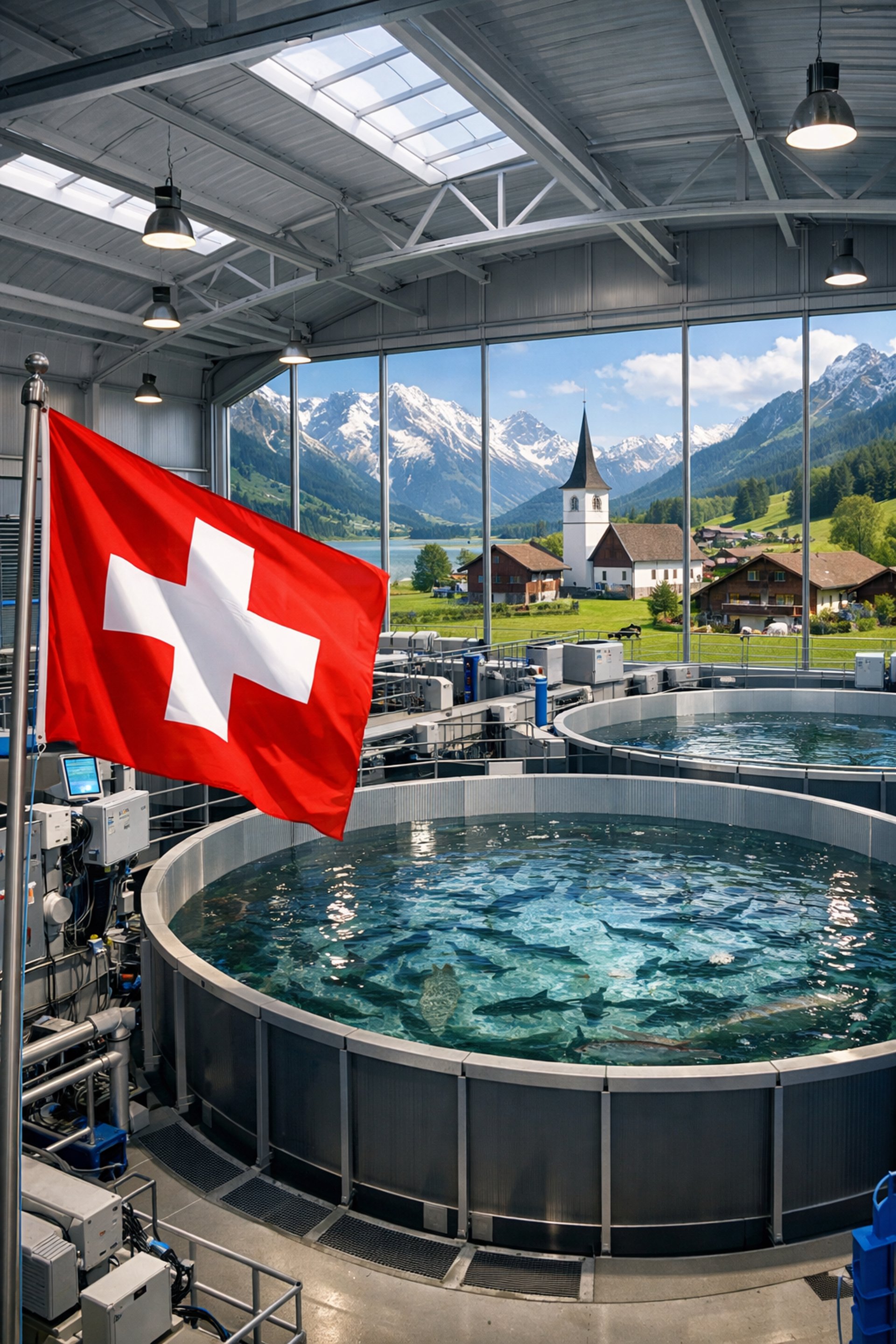
Swiss salmon farming is a niche, land-based industry utilizing Recirculating Aquaculture Systems (RAS) to produce Atlantic salmon without antibiotics, pesticides, or sea cages, which are illegal in the country. The sector is dominated by Swiss Alpine Fish (operating under the brand Swiss Lachs) in Lostallo, Graubünden, which has been producing salmon since 2015 from Icelandic eggs, aiming for 600 tons annually with plans for significant expansion.
Swiss Blue Salmon is the primary emerging competitor, planning to build Switzerland’s largest fish production facility in Mollis, Glarus, with an investment of approximately CHF 170 million. This new facility aims to produce 3,400 tonnes of salmon annually using advanced technology, including artificial intelligence and passive cooling, to address Switzerland’s high seafood import dependency.
Key characteristics of the industry include:
* Sustainability: Farms use pure alpine spring or lake water, recirculating up to 99.5% of it, and utilize green hydropower energy.
* Quality: Salmon are harvested fresh and reach retail shelves within 24 hours, offering superior freshness compared to imported seafood.
* Production Cycle: Fish are raised from eggs sourced from Iceland through multiple RAS stages to a harvest weight of 3.5–4 kg over a 24-month cycle.
* Market Context: While domestic pisciculture totaled 2,200 tonnes in 2020, with trout dominating, salmon represents a high-value, rapidly developing segment aimed at reducing the country’s 98% seafood import reliance.
Although FishFarmSolutions.com does not endorse third-party services, all links are reviewed for relevance and operational status. Verified listings meet our basic criteria for transparency and contactability.