
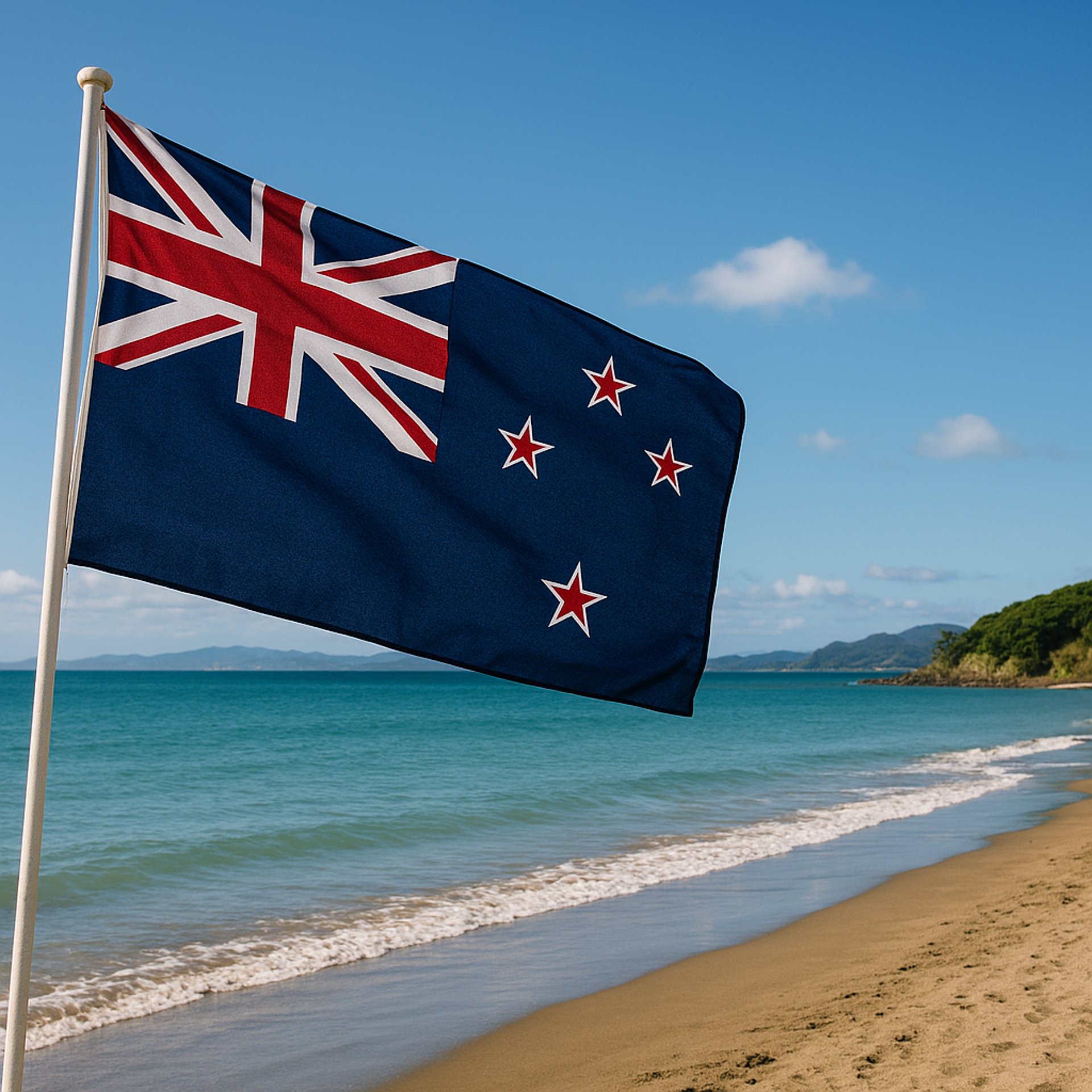
Seaweed New Zealand
Seaweed farming is an emerging sector in New Zealand, characterized by a transition from wild harvesting and beach-cast collection to pilot-scale aquaculture operations. The industry is driven by the potential for regenerative aquaculture, which offers environmental benefits such as nutrient mitigation (removing nitrogen and phosphorus from water) and methane reduction in livestock through species like Asparagopsis armata.
Key initiatives are establishing the foundational supply chain and farming techniques for native species. GreenWave Aotearoa successfully concluded a three-year pilot in the Hauraki Gulf, proving the feasibility of farming Ecklonia radiata (common kelp) using cooperative models and integrating it with mussel farms.
The sector faces significant barriers, including a lack of regulatory frameworks fit for purpose, limited investment risk capital, and knowledge gaps regarding native species cultivation. To address these, the Seaweed Sector Framework (2022) outlines a roadmap for growth, targeting high-value markets in human food, health and beauty, and animal feed supplements. With over 1,000 species of seaweed (40% endemic), New Zealand aims to leverage its "clean and green" brand to develop a sustainable, high-value export industry by 2032.


Although FishFarmSolutions.com does not endorse third-party services, all links are reviewed for relevance and operational status. Verified listings meet our basic criteria for transparency and contactability.