
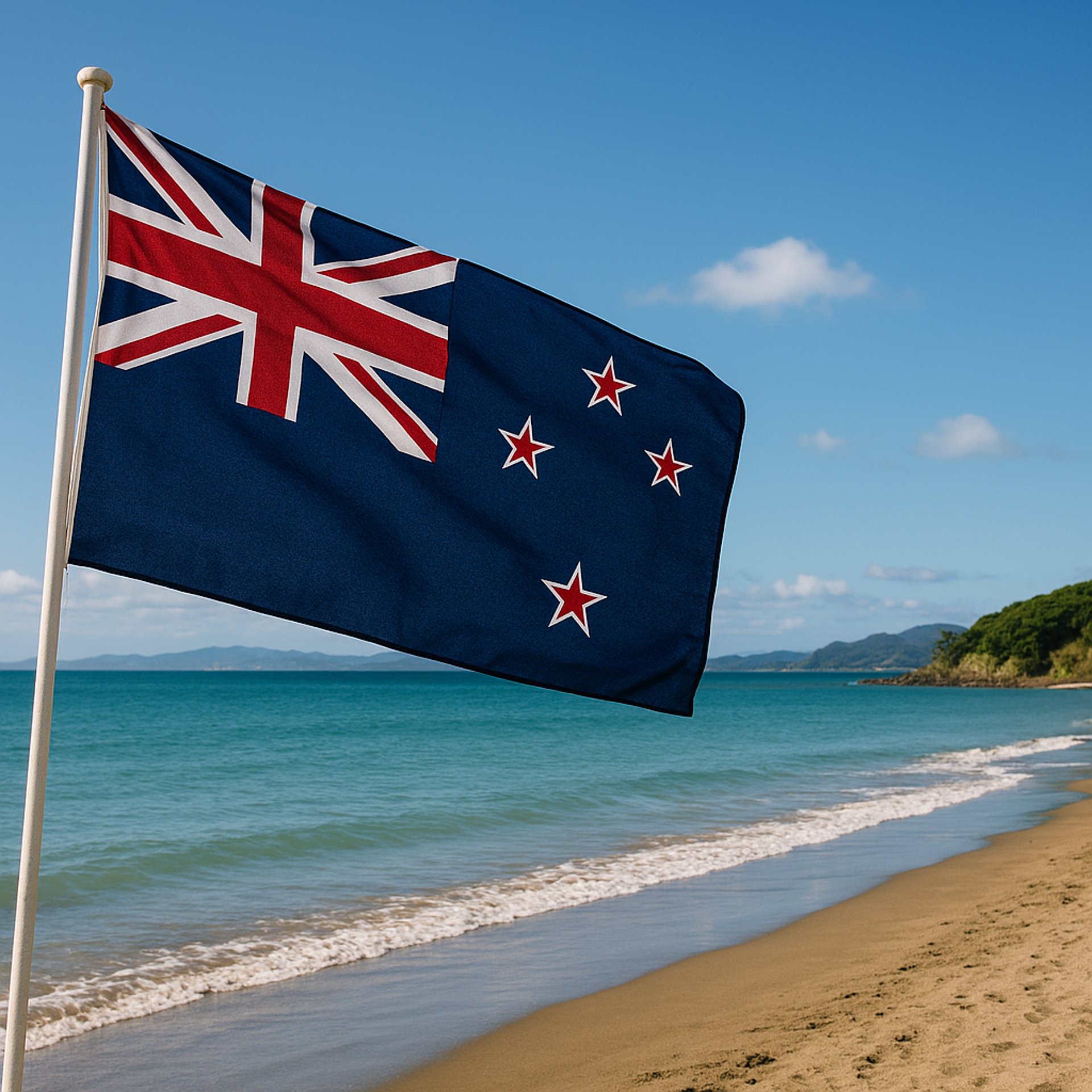
Salmon New Zealand
Salmon farming in New Zealand is centered on Chinook salmon (Oncorhynchus tshawytscha), also known as King Salmon, which is the only salmon species farmed in the country. New Zealand has no native salmon, and the species was introduced from northern California between 1901 and 1907. The industry began in the 1970s, initially as ocean ranching, with the first commercial hatchery established in 1976 and the first sea-cage farm in Big Glory Bay, Stewart Island, in 1983. Today, the industry is dominated by The New Zealand King Salmon Company, which produces over half of the world’s Chinook salmon.
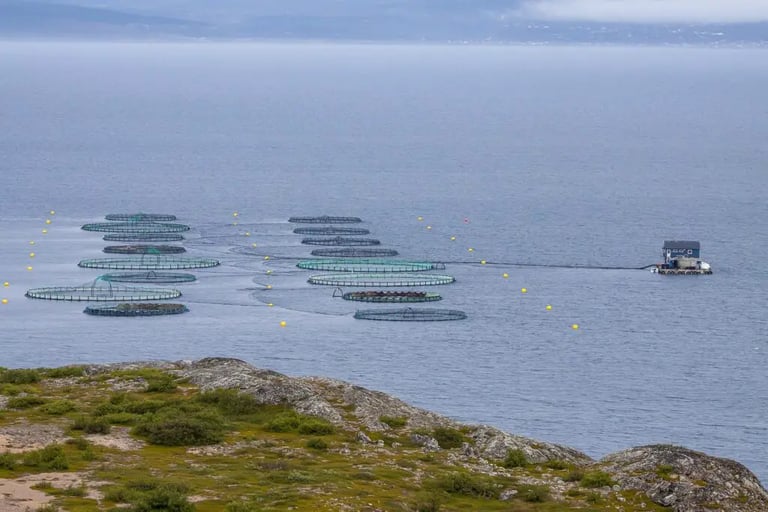
Farming operations are primarily located in the Marlborough Sounds, Stewart Island, and Akaroa Harbour, with additional freshwater farming in hydroelectric canals and raceways in the Mackenzie Basin, Canterbury, and Otago. The high-altitude Tekapo canal site, fed by cold, fast-flowing waters from the Southern Alps, is the highest salmon farm in the world at 677 meters above sea level. Salmon are hatched in freshwater facilities and reared for 4 to 9 months until they reach smolt size (50–150 grams), after which they are transferred to sea pens or freshwater systems. They are typically harvested after 18 to 24 months, reaching a market weight of 3–4 kilograms.
The industry is notable for its low stocking densities, with cages rarely exceeding 25 kg of biomass per cubic meter, and for the absence of major diseases due to the lack of native salmon species, which means antibiotics and vaccines are not required. The feed used is formulated with fishmeal and fish oil, but only about 20% comes from other fish; the rest includes cheaper vegetable oils and proteins, supplemented with astaxanthin to achieve the characteristic pink flesh. The New Zealand King Salmon Company operates a selective breeding program to improve stock quality.
Chinook salmon farming in New Zealand accounts for over half of the global production of this species, despite making up less than 1% of total global farmed salmon volume, which is predominantly Atlantic salmon. The product is considered premium due to its superior flavor, texture, and nutritional quality, commanding a price around 30% higher than Atlantic salmon. The industry generates significant export revenue, with products sold in Japan, the Pacific Rim, Australia, and the United States. The Ministry of Primary Industries has recognized open ocean aquaculture as critical for future sustainable growth, as inshore expansion is limited.
Environmental sustainability is emphasized, with farms located in pristine, fast-flowing waters and strict biosecurity protocols in place. A life cycle analysis commissioned by the Ministry of Primary Industries concluded that farmed King Salmon has a lower carbon footprint than most land-based proteins. The Monterey Bay Aquarium has also recognized New Zealand King Salmon as the world’s most environmentally sustainable farmed salmon.
Salmon in New Zealand
Although FishFarmSolutions.com does not endorse third-party services, all links are reviewed for relevance and operational status. Verified listings meet our basic criteria for transparency and contactability.